Tampines Mall : 2-3 June 2018

It's that time of the year again! Now in its 7th instalment, the Festival of Biodiversity, which started in 2012 at the Singapore Botanic Gardens, proved to be even bigger and better with more and more new nature groups coming on board. For a start, the venue at the open field next to Tampines Mall on the eastern side of Singapore was much more spacious compared to 2017's FOB.

The pre-dawn thunderstorms cleared just before the start of FOB 2018 and did not dampen the mood of the volunteers and visitors


A good change from previous cramped FOBs, this year's event had more generous and wider spaces for all
An annual event organised by the National Parks Board (NParks) Singapore, in collaboration with the Biodiversity Roundtable, the Festival aims to create awareness and foster a sense of appreciation for Singapore's natural heritage. The festival showcases Singapore’s impressive and unique array of island biodiversity. This event celebrates Singapore’s natural heritage and in doing so, hopes to bring about greater awareness of the rich biodiversity that Singapore has.


The early 'bird' visitors to the booths
FOB 2018 was held at an urban mall again, with the objective of showcasing Singapore's nature to the heartlanders and mall visitors who may not have had a chance to enjoy Singapore's natural heritage. Held this year at a shopping mall in the eastern part of Singapore, this annual exhibition has travelled from a southern mall (VivoCity Mall) to a central mall (NEX Mall). Perhaps FOB 2019 should move to a western mall?

ButterflyCircle decided to take a hiatus from this year's FOB, after participating in 6 consecutive FOBs since its inauguration in 2012 until 2017. We felt that it was time to take a break and visit the exhibition this year as a visitor. Indeed, it was more fun when we didn't have the stress and burden of manning a booth at the exhibition. Perhaps next year, if FOB moves to the west...

FOB 2018 was hosted by Minister Desmond Lee, with Speaker of Parliament, Tan Chuan Jin as the guest of honour
FOB18 was hosted by Minister for Social and Family Development, Desmond Lee as with many previous FOBs. Minister Desmond is often seen as a champion of biodiversity and environmental conservation in Singapore. Indeed, he has won the respect and support of the green groups in Singapore for his tireless endeavours to conserve and protect the environment in his signature style of sincere and meaningful dialogue and balanced views. FOB 2018's Guest of Honour was our Speaker of Parliament, Tan Chuan Jin, who is another stalwart of nature conservation and an active supporter of the green community.


Speaker Tan Chuan Jin, a long-time supporter of nature conservation, giving some words of wisdom to the audience at the opening ceremony
In his speech, Speaker Tan had this to say "We must not miss the woods for the trees. In land scarce Singapore, there are real pressures and challenges but there has been amazing work done. Our biodiversity, our deepening understanding of our natural heritage is a testimony of the work done by all involved. There will be issues that we will disagree on and there will be encroachment issues but it should not negate the forward momentum of the work done."


A total of 602 species from various taxonomic groups were spotted during BioBlitz 2018 citizen science surveys organised by the National Parks Board
The VIPs then officially launched FOB 2018 with the announcement of the results from NParks' nation-wide BioBlitz 2018 citizen science surveys. The surveys netted some 602 species of terrestrial and marine fauna. Interestingly, as my good friend and veteran nature guide Subaraj quipped, "for the first time, I see more butterfly species recorded than bird species!"


Our VIPs visiting the booths and activity stations at FOB 2018
The rest of the morning and early part of the afternoon was spent catching up with old friends and networking with the nature community. It was heartwarming to see Minister Desmond Lee visiting every booth and interacting with the young and young-at-heart who were keen to share their expertise about their specific area of interest. Minister and the entourage spent a good part of more than 2 hours talking and interacting with the nature groups.

ButterflyCircle's contribution to FOB 2018 on the "Butterflies of Singapore" panel


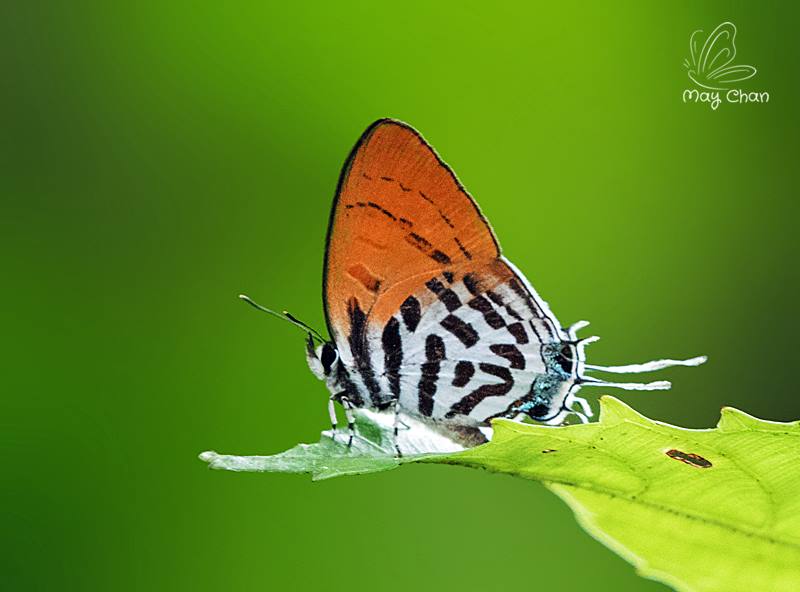
The Harlequin, a critically endangered species in Singapore due to the very localised distribution of the species at a site that is slated for development
Of course, what's FOB without butterflies? ButterflyCircle contributed to the educational bit on the importance of butterflies in the pollination of flowers. Our efforts on the Harlequin species recovery project and studies to help with the translocation of the species from the site where the butterfly is found, was mentioned on the educational panel. The site at the western part of Singapore is under threat from future development, and we are working against time to try to ensure that this species continues to survive in Singapore.

Some of the new groups participating at the FOB
This FOB saw the emergence of several new and interesting groups - each with its specific area of interest. It was also encouraging to see many young talent taking on the challenge of nature conservation and the amount of energy and passion that they put into studying their subjects of interest. New groups like the Macaque Working Group, Freshwater Crabs Working Group, Raffles Banded Langur Working Group, Biodiversity Friends Forum and Otter Working Group joined the FOB this year.


A T-Rex lurked around the booths, ready to get everyone to love nature!
The more established groups like the Jane Goodall Institute (Singapore), ACRES, Herpetological Society Singapore, Wildlife Reserves Singapore and many other regulars made up the rest of the interested exhibits. There was even a T-Rex prowling around the exhibitions, ready to snap up anyone who didn't care for nature!

Dr Vilma Rozario holding the attention of the young ones
As with previous FOBs, the kids' activity booths featuring nature handicraft and storytelling, were popular with the young ones. There were skits put up by school children on the main stage throughout the day. It was a great day for family outings and parents who brought their children to FOB 2018 had an educational and entertaining tour of Singapore's biodiversity.

A number of NParks' Community engagement booths at the FOB 2018

Jo Teo and her volunteer students from Chung Cheng High School at the FOB
The annual FOBs should continue to create awareness and appreciation for Singapore's natural heritage, and to continue the neverending effort to educate and inform the young and old about our awesome biodiversity in Singapore. It is with this hope, that we can build and nurture our Biophilic City where humans and nature can co-exist in harmony.
Text by Khew SK : Photos by Huang CJ


A total of 602 species from various taxonomic groups were spotted during BioBlitz 2018 citizen science surveys organised by the National Parks Board
The VIPs then officially launched FOB 2018 with the announcement of the results from NParks' nation-wide BioBlitz 2018 citizen science surveys. The surveys netted some 602 species of terrestrial and marine fauna. Interestingly, as my good friend and veteran nature guide Subaraj quipped, "for the first time, I see more butterfly species recorded than bird species!"


Our VIPs visiting the booths and activity stations at FOB 2018
The rest of the morning and early part of the afternoon was spent catching up with old friends and networking with the nature community. It was heartwarming to see Minister Desmond Lee visiting every booth and interacting with the young and young-at-heart who were keen to share their expertise about their specific area of interest. Minister and the entourage spent a good part of more than 2 hours talking and interacting with the nature groups.

ButterflyCircle's contribution to FOB 2018 on the "Butterflies of Singapore" panel


The Harlequin, a critically endangered species in Singapore due to the very localised distribution of the species at a site that is slated for development
Of course, what's FOB without butterflies? ButterflyCircle contributed to the educational bit on the importance of butterflies in the pollination of flowers. Our efforts on the Harlequin species recovery project and studies to help with the translocation of the species from the site where the butterfly is found, was mentioned on the educational panel. The site at the western part of Singapore is under threat from future development, and we are working against time to try to ensure that this species continues to survive in Singapore.

Some of the new groups participating at the FOB
This FOB saw the emergence of several new and interesting groups - each with its specific area of interest. It was also encouraging to see many young talent taking on the challenge of nature conservation and the amount of energy and passion that they put into studying their subjects of interest. New groups like the Macaque Working Group, Freshwater Crabs Working Group, Raffles Banded Langur Working Group, Biodiversity Friends Forum and Otter Working Group joined the FOB this year.


A T-Rex lurked around the booths, ready to get everyone to love nature!
The more established groups like the Jane Goodall Institute (Singapore), ACRES, Herpetological Society Singapore, Wildlife Reserves Singapore and many other regulars made up the rest of the interested exhibits. There was even a T-Rex prowling around the exhibitions, ready to snap up anyone who didn't care for nature!

Dr Vilma Rozario holding the attention of the young ones
As with previous FOBs, the kids' activity booths featuring nature handicraft and storytelling, were popular with the young ones. There were skits put up by school children on the main stage throughout the day. It was a great day for family outings and parents who brought their children to FOB 2018 had an educational and entertaining tour of Singapore's biodiversity.

A number of NParks' Community engagement booths at the FOB 2018

Jo Teo and her volunteer students from Chung Cheng High School at the FOB
The annual FOBs should continue to create awareness and appreciation for Singapore's natural heritage, and to continue the neverending effort to educate and inform the young and old about our awesome biodiversity in Singapore. It is with this hope, that we can build and nurture our Biophilic City where humans and nature can co-exist in harmony.
Text by Khew SK : Photos by Huang CJ